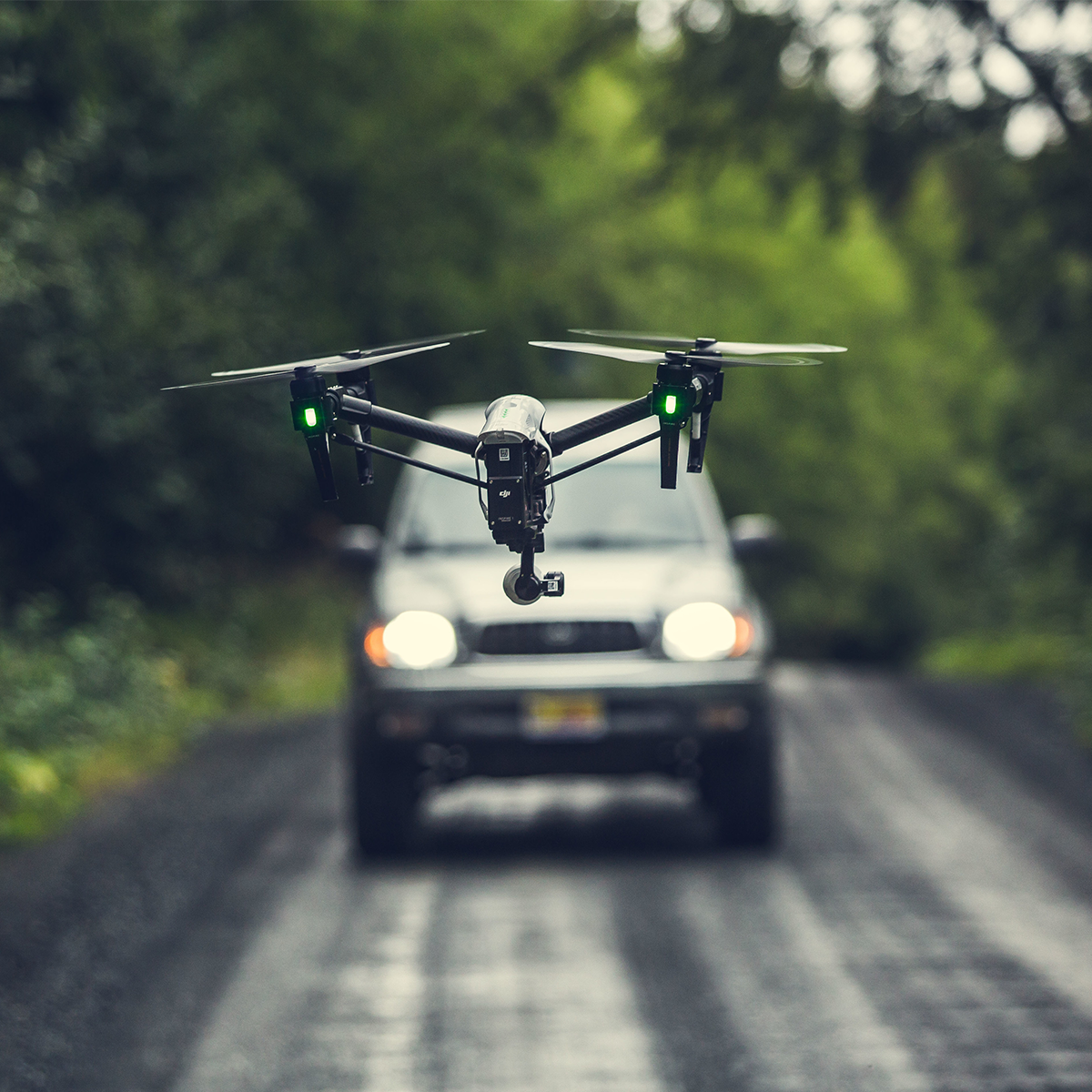

The truth is, there is no single “best” answer. The right drone depends entirely on your goals, budget, and intended use. A drone that works perfectly for someone else may not be suitable for you.
In this article, I’ll break down FPV drone selection from several key perspectives—frame size, video systems, use cases, payload capability, and price—to help beginners make an informed and objective decision.
⸻
1. Frame Size and Use Cases
FPV drones are commonly categorized by frame size. The most popular sizes on the market are 3.5”, 5”, 7”, and 10”.
⸻
3.5-inch FPV Drones
• Characteristics: Lightweight, fast, highly responsive
• Beginner-friendly? Not ideal for complete beginners
• Best for: Racing, tight spaces, freestyle practice
• Pros: Very agile, strong acceleration, low power consumption
• Cons: Limited payload
💡 Best suited for pilots who already have some flying experience and want to focus on racing or technical freestyle.


CineLog35 V2 Analog (Supports mounting an HD Camera )
⸻
5-inch FPV Drones
• Characteristics: The most common FPV standard size
• Beginner-friendly? Yes—one of the best starting points
• Best for: Freestyle, racing, general FPV flying
• Pros: Excellent balance between power, control, and versatility; huge ecosystem of parts and support
• Cons: Less payload capacity and stability compared to larger drones
🔥 This is the most recommended size for beginners who want an all-around FPV experience.


Manta 5 SE Analog (Supports mounting an HD Camera )
⸻
7-inch FPV Drones
• Characteristics: Larger frame, more thrust, better efficiency
• Beginner-friendly? Possible, but with a learning curve
• Best for: Cinematic flying, outdoor long-range, FPV vlogging
• Pros: Better stability, stronger wind resistance, longer flight time
• Cons: Heavier, less agile, higher skill requirement
💡 Ideal for pilots who focus more on cinematic or content creation than aggressive freestyle.

⸻
10-inch FPV Drones
• Characteristics: Large FPV platforms with strong payload capability
• Beginner-friendly? Generally not recommended as a first drone
• Best for: Professional cinematography, payload carrying, research tasks
• Pros: Outstanding stability, supports large cameras and equipment
• Cons: Bulky, slower response
⭐ Best suited for users with specific professional needs, such as film production or equipment transport.

10" Heavy Lift EF10 Analog (Payload Capability: Max 3 Kg)
⸻
2. HD Digital Video vs. Analog Video Systems
The FPV video system defines how you see the world while flying. There are two main categories:
⸻
📍 Analog FPV Systems
• Very low latency
• Susceptible to interference and static
🔹 Pros: Affordable, ultra-low latency, forgiving for beginners
🔹 Cons: Low resolution (1200 TVL, typically around 480p), poor image quality.
You can also choose a model that supports mounting an HD camera as a supplement.
💡 Best for racing, skill training, and budget-conscious beginners.
⸻
📍 Digital HD Systems (e.g. DJI O4 Pro)
• High-resolution video transmission (up to 4K / 120 FPS)
• Clear image and accurate colors
🔹 Pros: Exceptional image quality, stable signal, immersive viewing experience
🔹 Cons: Higher cost, slightly more latency than analog
💡 Best for cinematic flying, vlogging, and pilots who prioritize visual quality.
⸻
3. Should You Mount an Action Camera?
Whether you need an action camera (GoPro, Insta360, DJI Action, etc.) depends entirely on your goals.
✅ For Content Creation and Vlogging
• Strongly recommended
• Larger drones (7” or 10”) handle camera weight better
• Results in significantly higher video quality
⚠️ For Racing or Aggressive Freestyle
• Extra weight reduces agility and responsiveness
• Increases crash damage risk
⸻
📌 For beginners, payload capacity is not the top priority.
Focus first on flight control and learning fundamentals.
⸻
4,💡 For most beginners:
• Start with a 5-inch drone
• Upgrade gradually as skills and needs evolve
⸻
5. Pre-Purchase Self-Assessment Checklist
Before buying, ask yourself:
✔️ Is my goal skill training or video creation?
✔️ What is my realistic budget (including repairs)?
✔️ Will I fly indoors, outdoors, or both?
✔️ Do I prefer low latency or high image quality?
✔️ Am I willing to learn basic maintenance and repairs?
⸻
6. Final Recommendation Path for Beginners
📌 Path 1: Budget-friendly beginner
➡️ 5” analog FPV setup for learning fundamentals
📌 Path 2: Visual-focused pilot
➡️ 7” digital FPV (DJI O4 Pro) with action camera support
📌 Path 3: Aspiring content creator
➡️ 7”–10” digital cinematic FPV with professional cameras
⸻
Final Thoughts
There is no perfect FPV drone—only the one that best matches your current skill level and goals.
Define your purpose, set your budget, and upgrade step by step.